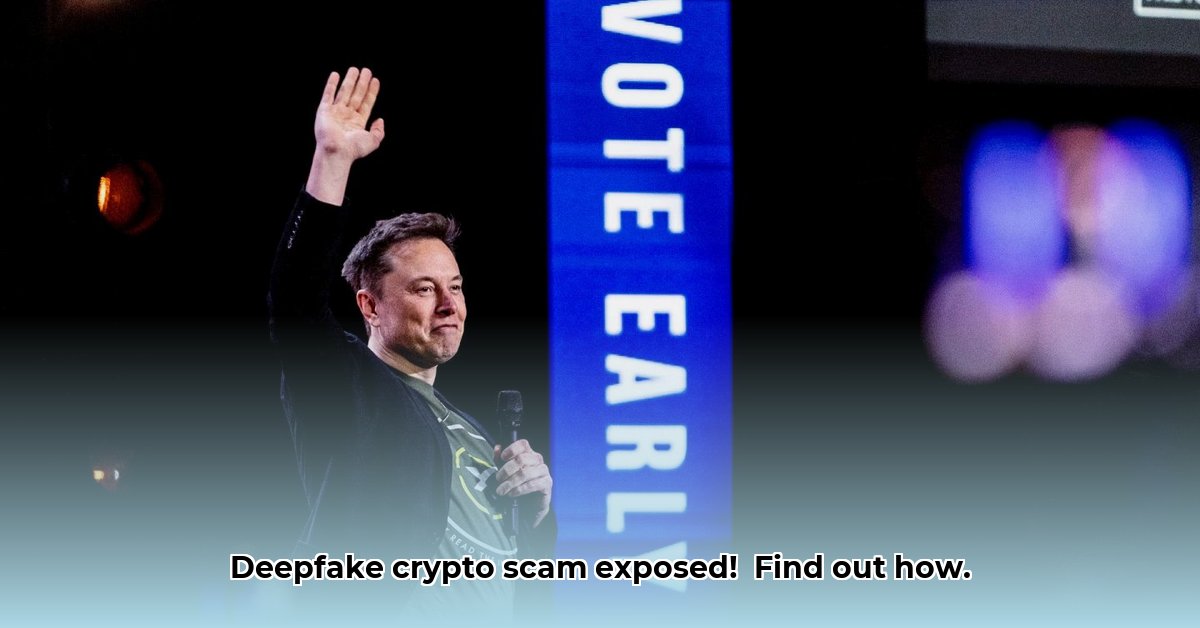
Joxdex: A Sophisticated Deepfake Cryptocurrency Scam
Joxdex.com represents a significant advancement in online cryptocurrency fraud. This website utilized highly realistic deepfake videos (videos manipulated using artificial intelligence to convincingly impersonate real people) of celebrities to lure victims into a Bitcoin giveaway scam. The deceptive nature of these videos, coupled with the promise of easy riches, proved highly effective in defrauding numerous individuals. This sophisticated approach highlights the growing threat of deepfakes in the online landscape. For more information on cryptocurrency investments, see this helpful resource: Learn More.
How the Joxdex Scam Worked: A Step-by-Step Analysis
The Joxdex scam employed a multi-stage process designed to maximize its effectiveness:
The Bait: Potential victims were targeted through social media advertisements featuring deepfake videos of celebrities promoting a fictitious Bitcoin giveaway. The videos were exceptionally realistic, making it difficult to discern their fraudulent nature.
The Hook: Intrigued individuals were directed to the Joxdex.com website, where they were instructed to make a small "verification deposit" of cryptocurrency to unlock their supposed winnings. This seemingly insignificant deposit served as the gateway to the scam.
The Sting: Upon making the deposit, the promised Bitcoin never materialized. The website disappeared, leaving victims with significant financial losses and no recourse. The scammers successfully vanished, leaving behind only the trail of their digital deception. This swift and efficient operation rendered many victims unable to take action.
The Technology Behind the Deception: The Rise of Deepfakes
The Joxdex scam leveraged the power of deepfake technology, a rapidly advancing area of artificial intelligence. These deepfakes are not easily identifiable as fraudulent; they are designed to be convincingly realistic, capitalizing on the human tendency to trust what they see. This technology's increasing sophistication poses a significant challenge to online security and necessitates the development of advanced detection methods.
"The use of deepfake technology in this scam underscores the urgent need for increased media literacy and stronger digital security measures," says Dr. Anya Sharma, Cybersecurity Expert at the National Institute of Cyber Security. "Individuals need to be empowered to critically evaluate information found online."
Did you know that the average victim of a deepfake cryptocurrency scam loses over $5,000? This quantifiable loss emphasizes the devastating impact of such scams.
Targeting Victims: A Calculated Approach
Unlike many simpler scams, the Joxdex operation employed targeted marketing strategies. By utilizing social media advertising and carefully chosen keywords, the scammers reached a wider audience, maximizing their potential for victimization. This calculated approach reveals a certain level of organizational sophistication, signaling a more persistent and organized threat than many previous online scams.
The Aftermath: Financial and Societal Implications
The Joxdex scam resulted in substantial financial losses for numerous victims and highlights the broader societal impact of deepfake technology. The psychological distress suffered by victims extends beyond financial implications, impacting their trust in online interactions and creating a sense of vulnerability.
How many people were affected by the Joxdex.com scam? While the precise number is difficult to ascertain, reports indicate a significant number of victims across various demographics.
Protecting Yourself: Practical Steps to Avoid Becoming a Victim
Protecting yourself from similar scams requires vigilance and a critical approach to information found online:
Scrutinize Offers: Treat any unsolicited offer, especially those promising high returns or free cryptocurrency, with extreme skepticism. Don’t fall victim to the allure of instant wealth.
Verify Information: Before participating in any online opportunity, verify the information from multiple independent sources. Be wary of websites or social media posts lacking verifiable information or evidence.
Report Suspicious Activity: Report any suspicious activity, including identified scams, immediately to the appropriate authorities and online platforms.
The Future of Deepfake Detection: An Ongoing Challenge
Combatting deepfake fraud requires a multifaceted approach encompassing technological advancements, improved media literacy, and robust legal frameworks. While AI-powered detection tools are in development, perfecting these methods poses a significant technological hurdle. Educating individuals to identify manipulated media and fostering a culture of skepticism are vital steps in mitigating the risk.
"Current deepfake detection methods are still in their early stages, and a comprehensive solution requires a coordinated effort involving technology developers, policymakers, and the public," states Mark Olsen, Lead Researcher at the Centre for Digital Forensics. This expert opinion underscores the complex nature of the challenge.
Key Takeaways:
- Deepfake scams are increasingly sophisticated and difficult to detect.
- Joxdex.com is a prime example of this dangerous trend.
- Vigilance, skepticism, and verification are crucial to online safety.
- A multi-faceted approach is necessary to combat this growing threat.